
The Art of Bespoke Cabinetry: How Clive Christian Kitchens Are Made to Last
Explore the craft behind Clive Christian bespoke kitchen cabinetry, from the Lancashire workshop to a kitchen built to last a lifetime.
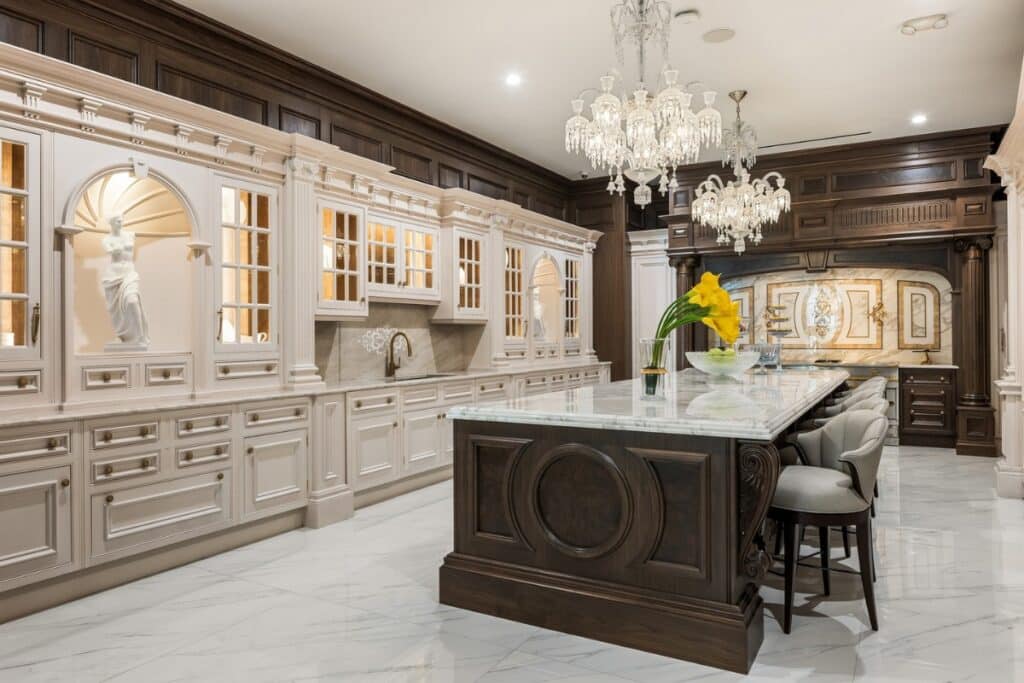
The word bespoke is used with considerable freedom in the world of luxury interiors. It appears on brochures, in showrooms, and across the language of kitchen design at almost every price point. But bespoke, properly understood, is not simply a marketing term, nor a synonym for customisable within a fixed range of options. It describes something made specifically for one person, in one space, in response to the particular character of their home and the way they live in it. That distinction matters, and nowhere does it matter more than in the kitchen.
A kitchen built on genuine bespoke principles does not begin with a catalogue. It begins with the architecture.
What is bespoke cabinetry
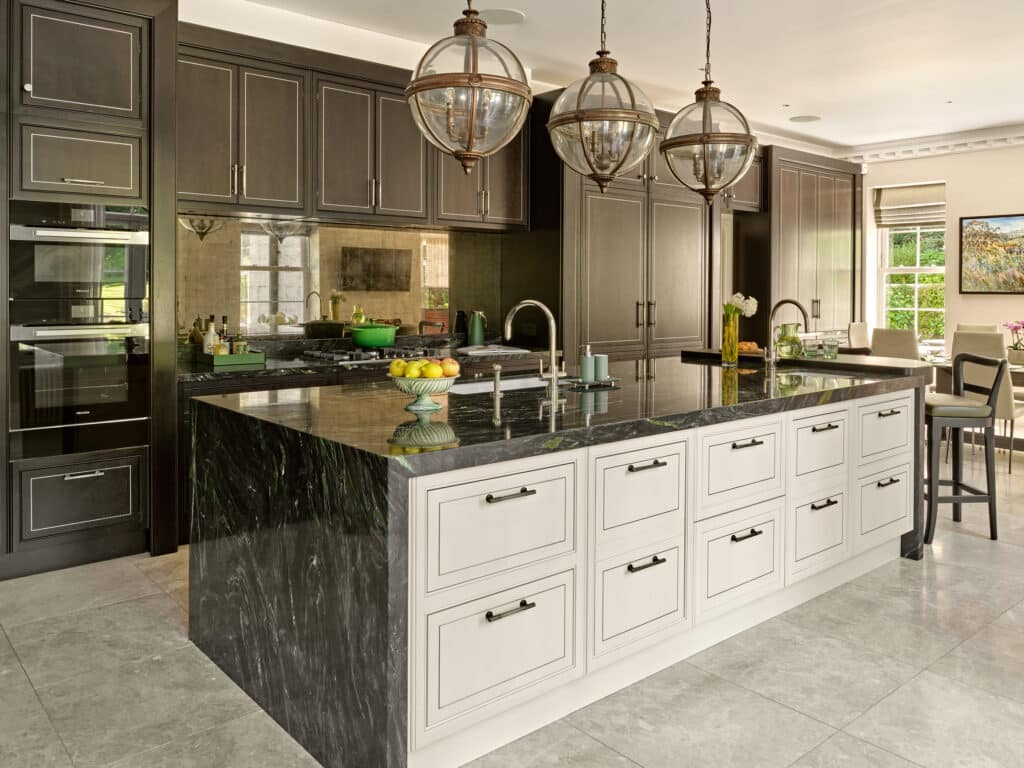
Bespoke cabinetry is cabinetry designed and crafted from the ground up for an individual space. Every dimension, proportion, material and detail is determined by the specific requirements of the room, its ceiling heights, its cornicing, its relationship to adjacent spaces, the quality of its natural light. Nothing is adapted from a standard unit. Nothing is filled with a panel or trimmed to fit.
This is meaningfully different from what the industry often describes as custom cabinetry; units available in a broad range of sizes and finishes, assembled to a client’s specification, but manufactured within fixed parameters. Made to measure kitchen cabinets of this kind offer a degree of personalisation. True bespoke cabinetry offers something else entirely: a kitchen that could not exist anywhere other than the home it was designed for.
For homeowners who have invested in a distinctive property, for example a Georgian townhouse, an Edwardian country house, or a contemporary residence of architectural ambition, the difference is not an abstraction. It is the difference between a kitchen that feels intrinsic to the building and one that feels inserted into it.
the lancashire workshop: homemade kitchens, made in england
For nearly fifty years, every Clive Christian kitchen has been made in England. The workshop in Lancashire is where the brand’s commitment to British craftsmanship finds its most complete expression. It’s a place where traditional cabinet-making techniques, accumulated over decades, are applied to timbers and materials of exceptional quality.
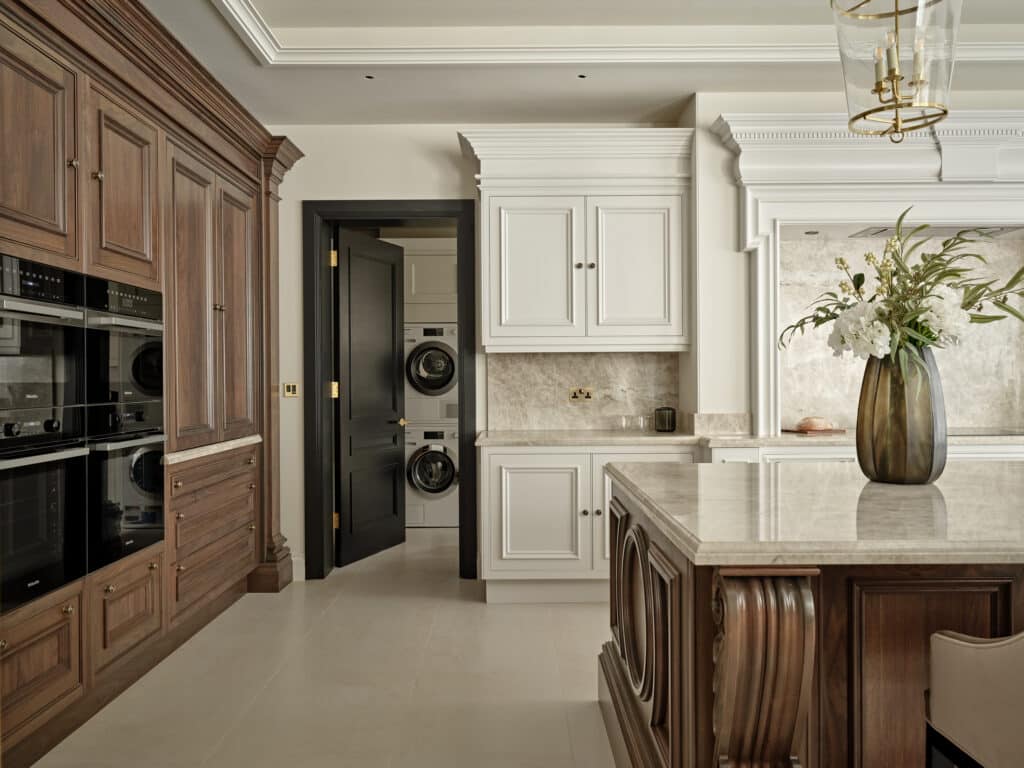
The making of a Clive Christian kitchen is a process that cannot be accelerated without consequence. These are, in the truest sense, handmade kitchen cabinets: skilled artisans hand-finish surfaces and decorative details with a precision that machine production cannot replicate. Joinery is executed using methods that have defined the finest British furniture-making for generations: construction techniques chosen not for efficiency, but for structural integrity and longevity.
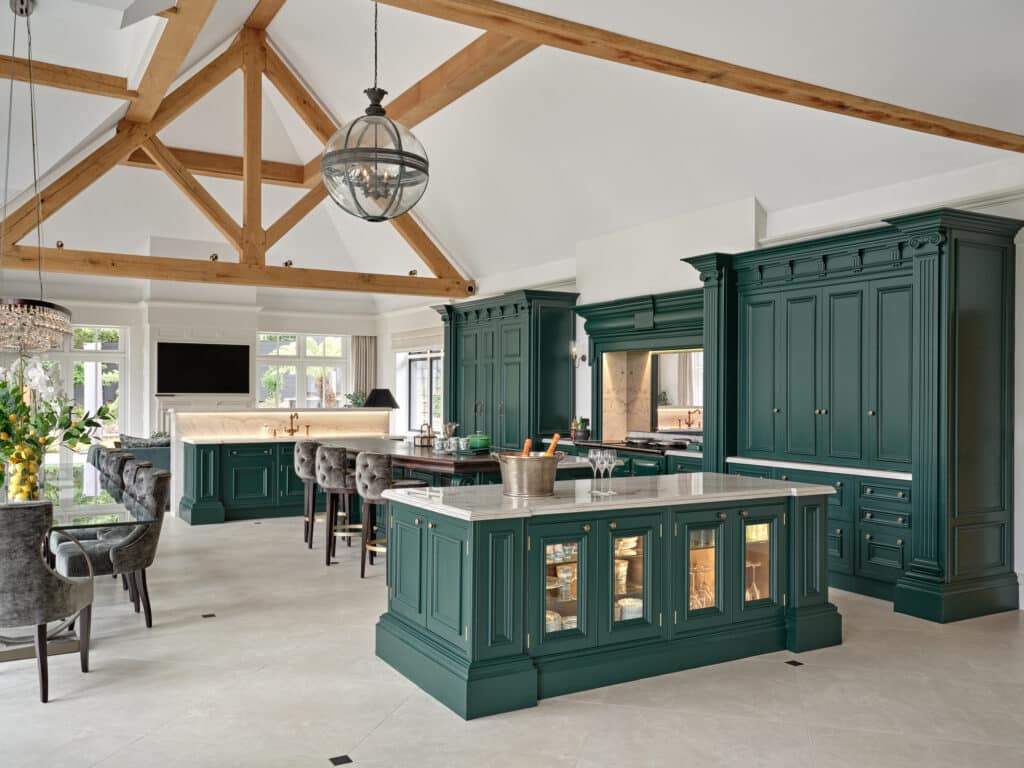
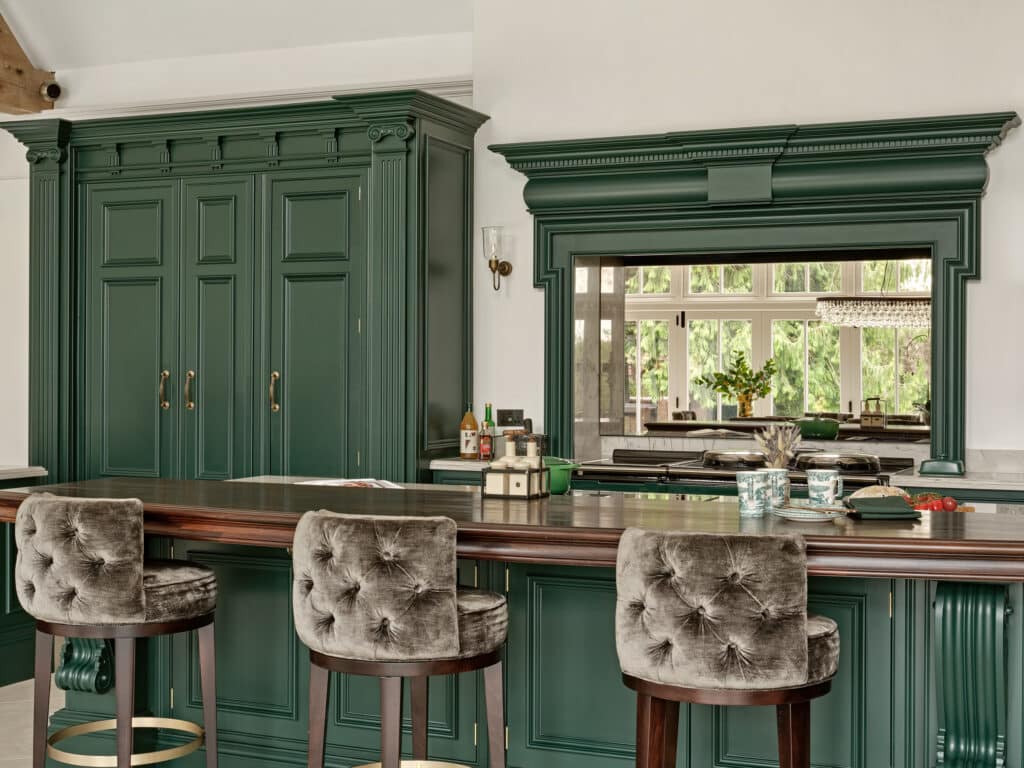
What distinguishes the Clive Christian approach is not any single technique in isolation, but the rigour with which every decision (from the selection of timber to the profile of a moulding), is made in service of the finished room. Each collection, whether the Architectural range with its Corinthian fluting and bolection moulding, the warmly domestic Edwardian, or the precisely contemporary Opus, is the product of design thinking that extends from the exterior of a cabinet door to the interior of every drawer.
The installation is itself a continuation of this philosophy. Every moulding is scribed to the wall on site, not pre-cut at the factory, because the workshop understands that the proper fitting of a room demands the same level of skill and attention as its manufacture. A Clive Christian kitchen typically takes two weeks to install: a measure not of complexity, but of care.
materials chosen for longevity
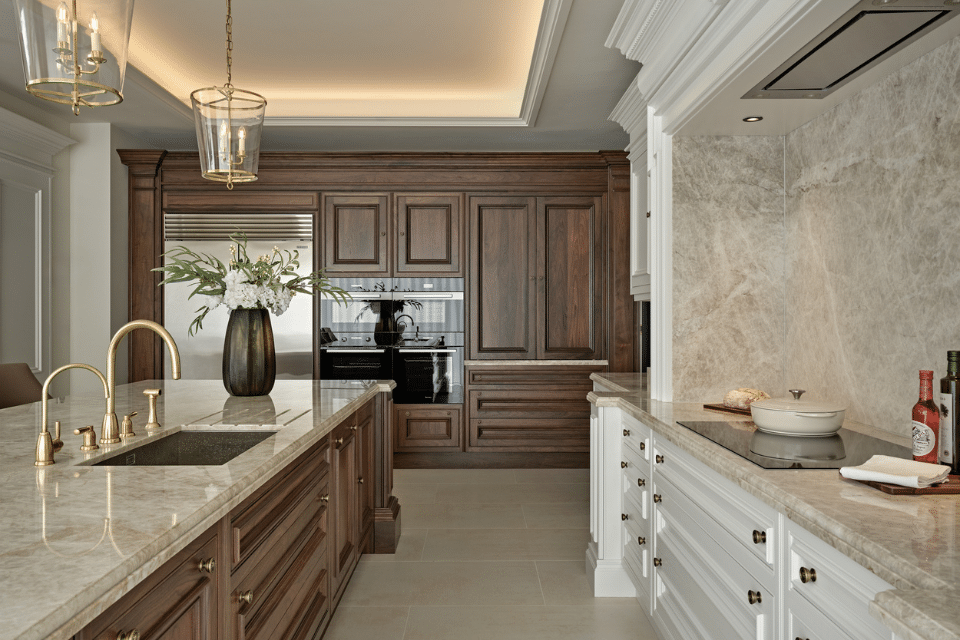
The question of how long kitchen cabinets last is, at its heart, a question about the decisions made before a single cabinet reaches the home. Cabinetry built from composite materials and assembled for speed will behave accordingly. Cabinetry built from premium hardwoods, using traditional joinery and hand-applied finishes, behaves entirely differently.
Clive Christian sources timbers selected for their quality, grain and suitability for the demands of a working kitchen. Hand-painted finishes are applied with the patience that a durable, beautiful surface requires. Hardware is chosen not only for its aesthetic contribution, but for its performance over years of daily use.
The result is cabinetry that does not merely endure, it deepens. A hand-painted kitchen gains character with time in a way that a factory-sprayed surface does not. Solid timber responds to its environment in ways that feel alive. The finest bespoke kitchens are not immune to the passage of time; they are enriched by it.
This is the true measure of luxury kitchen design: not how a kitchen looks on the day it is completed, but how it looks and feels ten, twenty, thirty years later. For homeowners who approach a kitchen as a long-term investment in their home rather than a renovation with a ten-year horizon, the calculus of bespoke cabinetry is straightforward. The higher the quality of making, the longer the lifespan, and the more enduring the return.
british kitchen design that begins with the building
British kitchen design at its finest is not a style applied to a space; it is a response to one. This is the principle that has guided Clive Christian Interiors since its founding, and it is what separates a genuinely bespoke kitchen from one that merely borrows the vocabulary.
Where a period property features original panelling, ornate cornicing or distinctive ceiling proportions, bespoke kitchen cabinetry can be designed to continue those architectural conversations rather than interrupt them. Where a contemporary residence calls for precision, restraint and material sophistication, the design responds in kind. The Opus Collection – Clive Christian’s first dedicated contemporary range – demonstrates this with particular clarity: its modular philosophy, extraordinary special finishes, and exacting joinery are as much an expression of architectural thinking as any traditional design.
The collections are the starting point, not the boundary. A truly bespoke commission draws on the full depth of the workshop’s craft knowledge and the client’s own vision to produce something that belongs, definitively and completely, to one home.
an investment in the life of your home
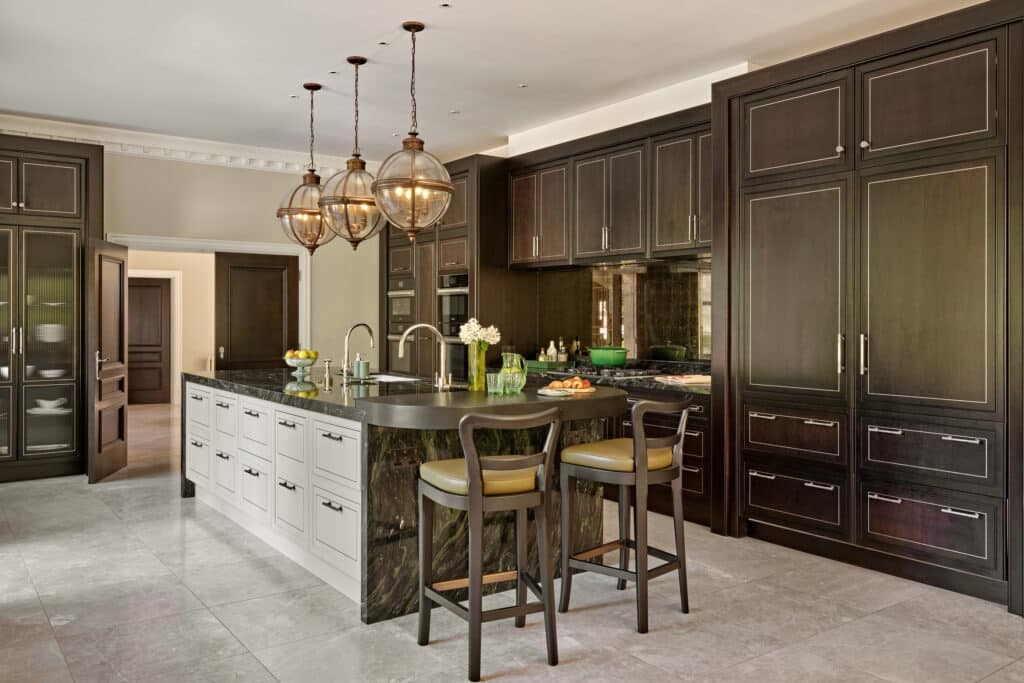
There is a particular kind of confidence that comes from knowing a kitchen has been made to last. Not the confidence of a guarantee or a warranty, but something quieter and more enduring: the knowledge that the decisions behind it were made with care, by people who understood that a kitchen is not furniture, but architecture.
Clive Christian kitchens are designed and made with that understanding at their centre. The Lancashire workshop, the traditional joinery, the hand-finished surfaces, the on-site scribing of every moulding – each is a consequence of a philosophy that has remained consistent for nearly fifty years: that the finest bespoke kitchen is one that serves its home beautifully, and keeps doing so for a lifetime.
discover your bespoke kitchen
If you would like to explore how bespoke cabinetry might be realised in your home, we would be delighted to guide you through the possibilities. Visit one of our showrooms or contact our design team to begin the conversation.
Frequently Asked Questions About bespoke cabinetry and luxury kitchen design
What is bespoke cabinetry? Bespoke cabinetry is designed and made specifically for an individual space, with every dimension, material and detail determined by the particular requirements of that room. Unlike custom cabinetry, which offers personalisation within fixed parameters, true bespoke cabinetry begins with the architecture of the home and is crafted entirely from the ground up. Made to measure kitchen cabinets produced within preset ranges offer flexibility, whereas genuinely bespoke cabinetry offers something more fundamental: a kitchen designed from the ground up, for one home and no other.
How long do kitchen cabinets last? The lifespan of kitchen cabinets depends almost entirely on how they are made. Mass-produced cabinetry, built from composite materials and assembled for efficiency, typically has a lifespan of ten to fifteen years before surfaces, joints and mechanisms begin to deteriorate. Bespoke cabinetry built from premium hardwoods, using traditional joinery techniques and hand-applied finishes, tells a very different story. Clive Christian kitchens are made to last a lifetime. The quality of timber, the integrity of the joinery, and the care taken during installation mean they are designed to endure decades of daily use. Rather than dating or deteriorating, they tend to deepen in character over time.
What makes Clive Christian cabinetry different from other custom cabinets? The distinction lies in the depth of the bespoke process, the quality of the making, and the breadth of craft knowledge behind each commission. Every Clive Christian kitchen is made in the brand’s Lancashire workshop by skilled artisans, using traditional cabinet-making techniques and the finest materials. The installation process, including the on-site scribing of every moulding, reflects the same standard of precision as the manufacture itself.
Where are Clive Christian kitchens made? All Clive Christian cabinetry is handcrafted in the brand’s workshop in Lancashire, England. The made-in-England provenance is central to the brand’s identity and to its commitment to British craftsmanship.
How long does it take to have a Clive Christian kitchen made and installed? Production typically takes around ten to twelve weeks, with a further four weeks for transit. Installation of a kitchen is usually completed over two weeks. This is a reflection of the care taken to ensure that every element is fitted to the highest standard, with all mouldings scribed on site rather than pre-cut.